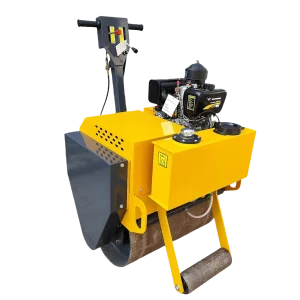
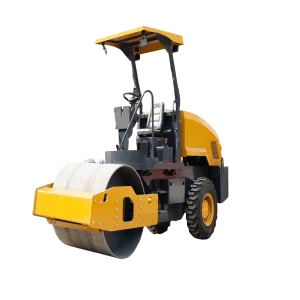
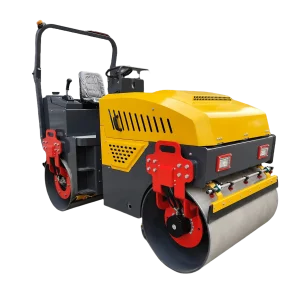
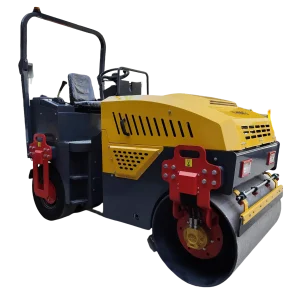
3 ton double rubber wheel construction roller SN-1200T
With 14 years of experience in road roller manufacturing, we are an OEM factory for well-known brands.
Buy from Shannon Machinery and enjoy factory prices! Contact us now for more details. Road compactors range from 1 tonne to 16 tonnes, with single or double drum options and a variety of configurations available.
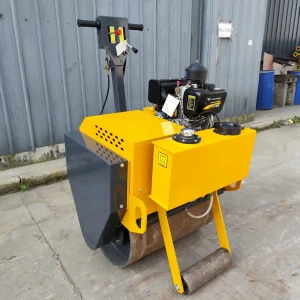
The 3-ton double rubber-wheeled roller is a small and medium-sized compaction equipment, which is widely used in compaction operations of asphalt pavement, roadbed, gravel base and other projects. Its core advantages are mainly reflected in the following aspects:
1. Excellent compaction effect, taking into account both flatness and density
—Flexible kneading effect: The “kneading effect” generated by the elastic deformation of the rubber wheel can effectively fill the gap between aggregates, improve the density of asphalt pavement, reduce porosity, and extend the service life.
—Anti-aggregate crushing: Compared with steel wheels, rubber wheels have less shear force on stones, avoiding aggregate crushing during rolling (especially important for soft or thin asphalt).
—Automatic leveling: The rubber wheel has a high degree of fit with the road surface, can adapt to small uneven areas, reduce surface ripples, and improve the flatness of the road surface.
Changchai 390/Honda GX690/Brigham and Stratton/Kubota D1105
Other engines can be consulted separately
Operator-friendly and environmentally friendly
—Low vibration and low noise: The rubber wheel operation has low vibration, which reduces the impact on operator fatigue and construction noise pollution, and is suitable for residential areas or restricted areas for night construction.
—Ergonomic optimization: The compact structure is equipped with an adjustable seat and an intuitive control panel to reduce the intensity of long-term work and improve construction efficiency.
—Emission compliance: Most models use engines that meet the National IV/European standards, meet environmental regulations, and reduce construction carbon emissions.
Typical application scenarios
—Municipal engineering: urban road repair, non-motorized lanes, sidewalk asphalt compaction.
–Rural roads: final compaction after paving narrow asphalt or gravel roads.
–Special areas: bridge joints, manhole cover areas and other areas requiring fine compaction